| DEAL ISLAND WEATHER |
| Web Counters | ||||||
|

|
Black on the Bay then and now - Chesapeake Quarterly Magazine
Outstanding video- Water's Edge: Black Watermen of the Chesapeake There were many of our African-American residents who worked the area waters, dredged oysters, crabbed, fished and some still do. (The Star Democrat has a good newspaper article called, "Black waterman were backbone of oystering;" 2/12/1997).
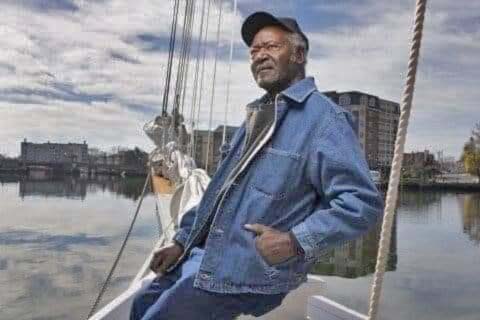
The Black watermen of Deal Island, Maryland, represent a centuries old maritime tradition that once formed the backbone of the Chesapeake's seafood industry. Historically, these skilled sailors, shipbuilders, and oyster harvesters—
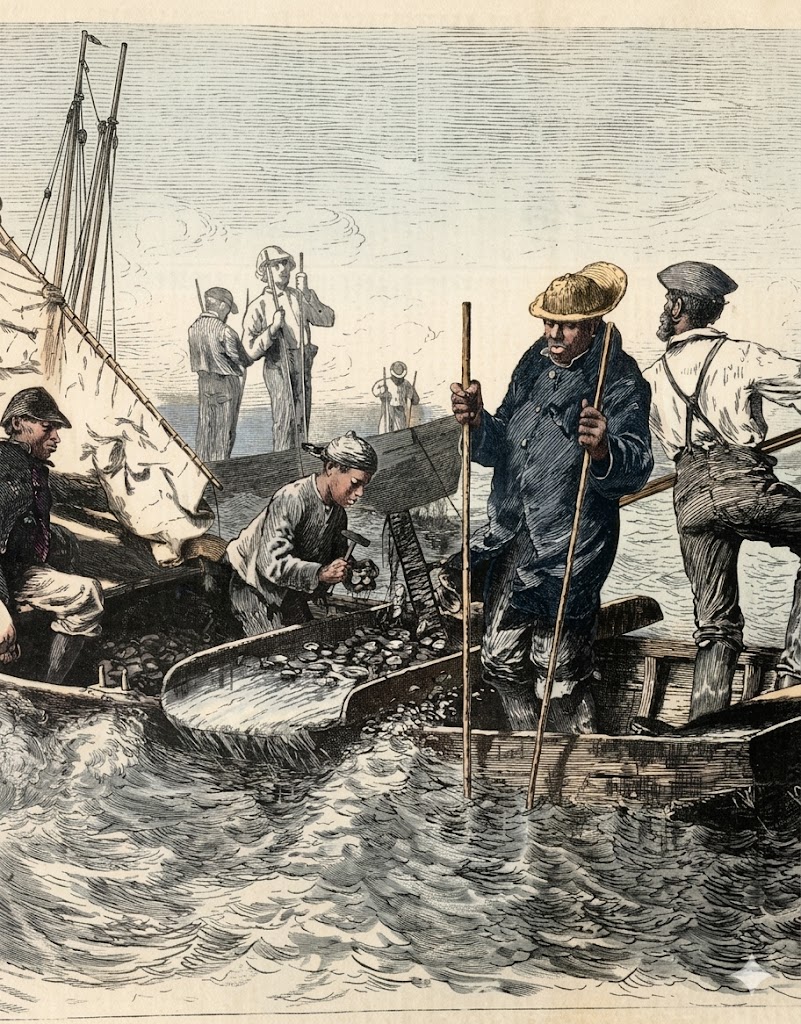 often referred to as "Black Jacks"—found a rare degree of economic independence and dignity on the water, even during the era of slavery. often referred to as "Black Jacks"—found a rare degree of economic independence and dignity on the water, even during the era of slavery.
Historical Significance & Community
Deal Island was home to thriving Black communities, particularly in areas like Dames Quarter and Wenona.
Current Challenges: Climate & Racism
Today, the legacy of Black watermen on Deal Island is under threat from both environmental and social factors:
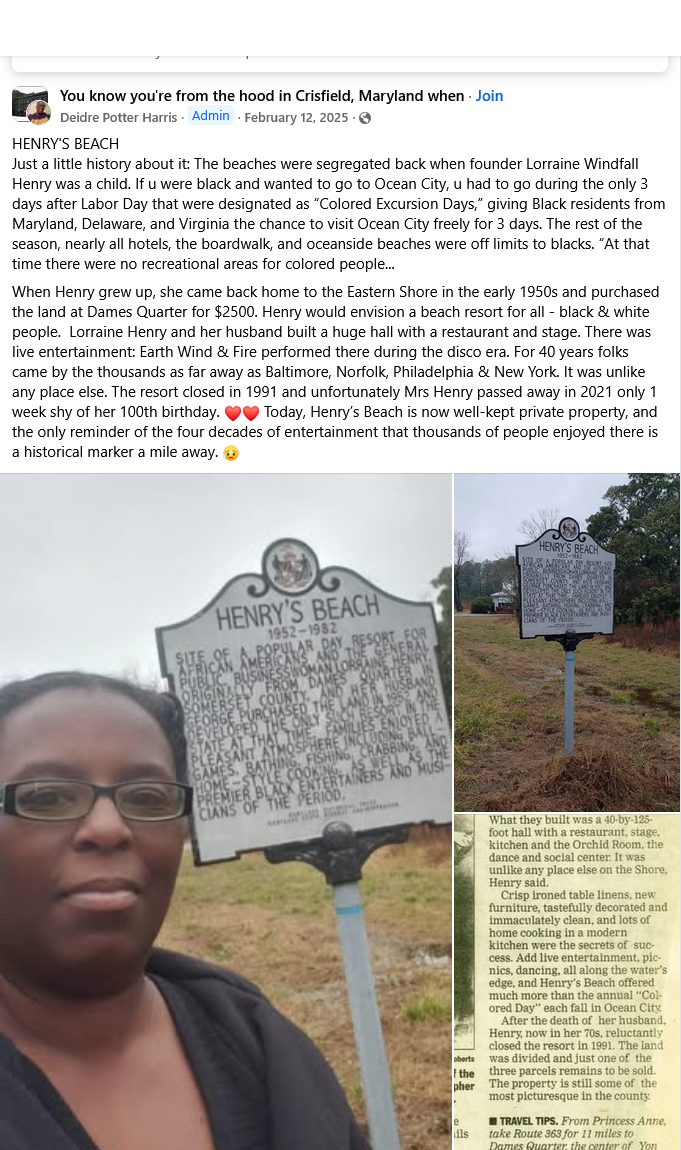
Henry's Beach, located in Dames Quarter near Deal Island, MD, was
Key Details About Henry's Beach:
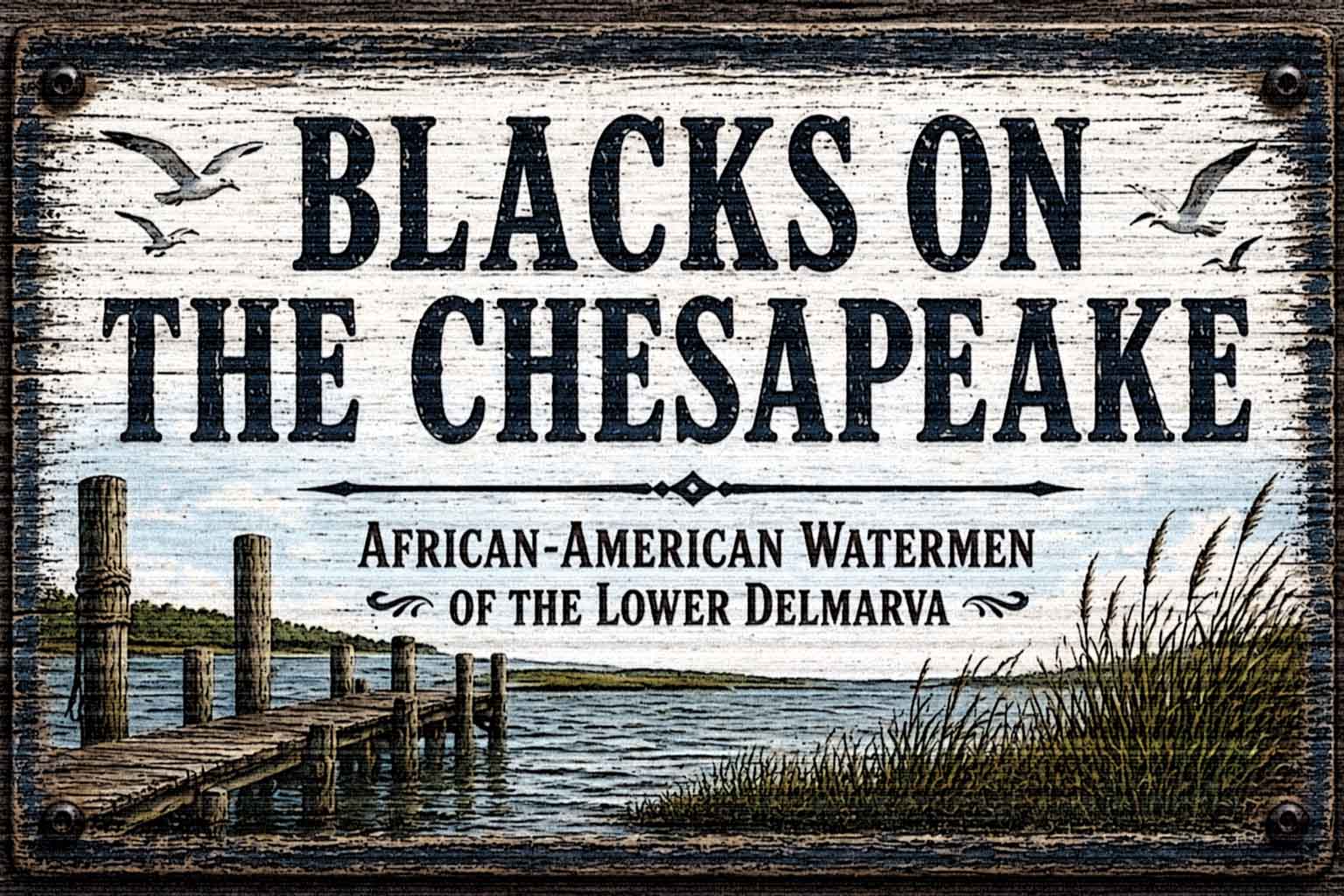
A Legacy of African-American Watermen on the Lower Delmarva
Along the shores of the Chesapeake Bay, generations of African-American watermen built lives tied to the tides. From the late 19th century through the 20th, men and families across the Lower Delmarva Peninsula worked the waters as oystermen, crabbers, fishermen, and boatmen—forming a vital yet often overlooked part of the region’s maritime heritage. Working aboard vessels like the Skipjack and traditional deadrise boats, these watermen harvested oysters from the Bay’s Communities throughout the Lower Eastern Shore—places like Deal Island and neighboring waterways—were home to Black watermen whose work extended beyond the boats. Families often participated in seafood processing, shucking houses, net mending, and boat maintenance, creating a culture deeply rooted in cooperation, skill, and resilience. Despite facing segregation and limited access to resources, African-American watermen carved out livelihoods on the Chesapeake, sustaining families and preserving traditions that remain part of the Bay’s identity today. Their stories are not only about labor—but about heritage, pride, and connection to one of America’s most historic working waterways. Today, organizations like the Blacks of the Chesapeake Foundation continue to preserve and share these histories, ensuring that the voices and contributions of Black watermen are recognized as an essential part of Chesapeake Bay culture.
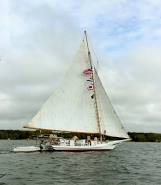
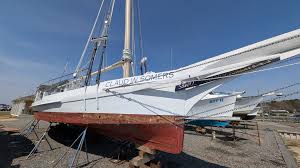
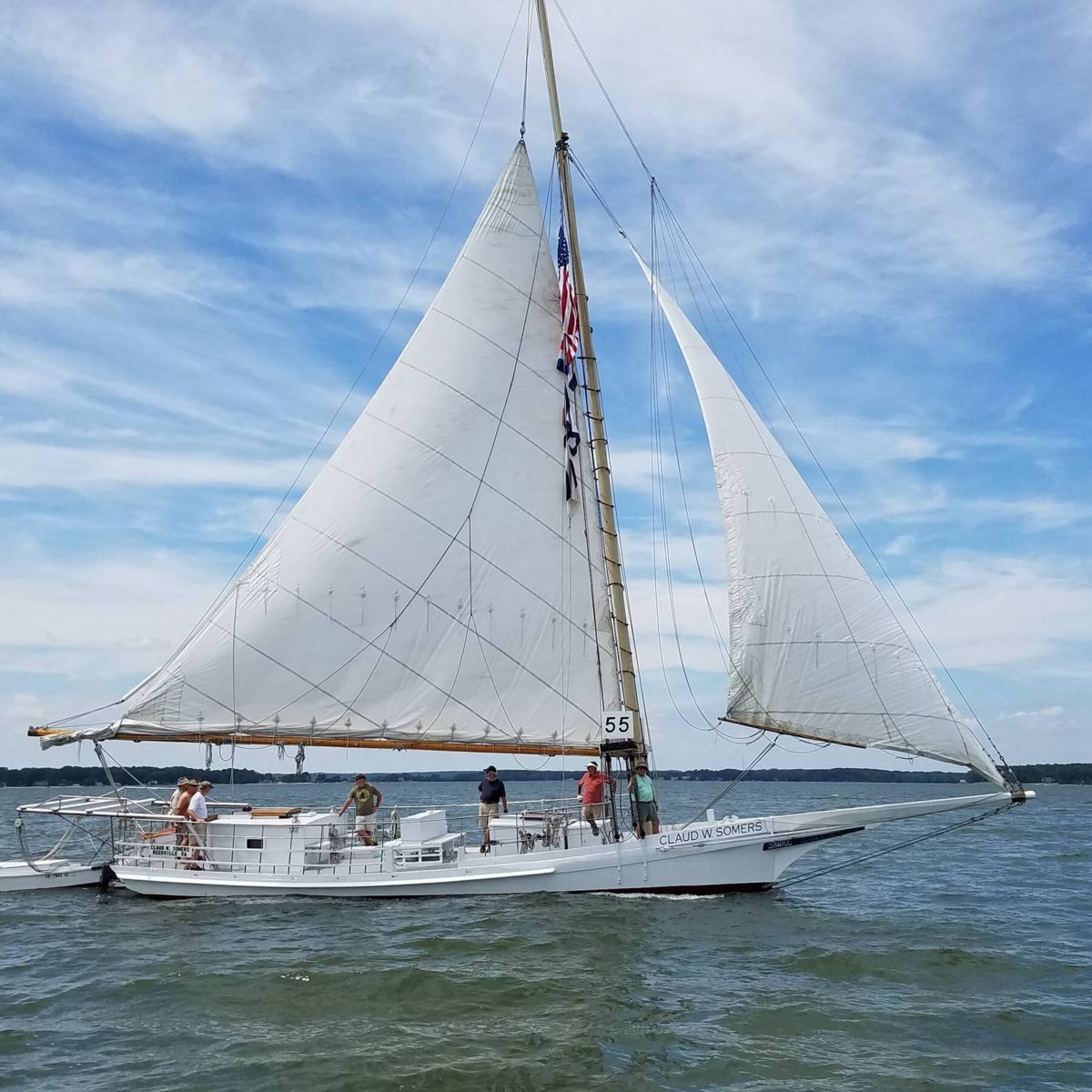
The Claud W. Somers (often spelled Claude W. Somers), a 1911 Chesapeake Bay skipjack, sank on 4 March 1977 during a sudden and violent wintry gale in Hooper Strait, near Hooper Strait Light and Hooper’s Island. The disaster was particularly tragic because it claimed the lives of all six crew members on board, including the owner and captain, Thompson Wallace.
Key Details of the Sinking
Restoration and Current Status Following the tragedy, the vessel was eventually salvaged and changed hands several times. In 1983, it was purchased by Alfred Garey Lambert, who spent 17 years restoring it.
There are no public photographs of the Claud W. Somers while it was submerged following its tragic sinking on March 4, 1977. The vessel went down in relatively shallow water (approximately 12–15 feet) in Hooper Strait. While it was on the bottom, the primary focus of local authorities was the recovery of the bodies of Captain Thompson Wallace and his five crew members. The ship was salvaged later that year, and photos from that era typically show it either before the disaster as a working oyster boat or after it was raised and began its long road to restoration.
|




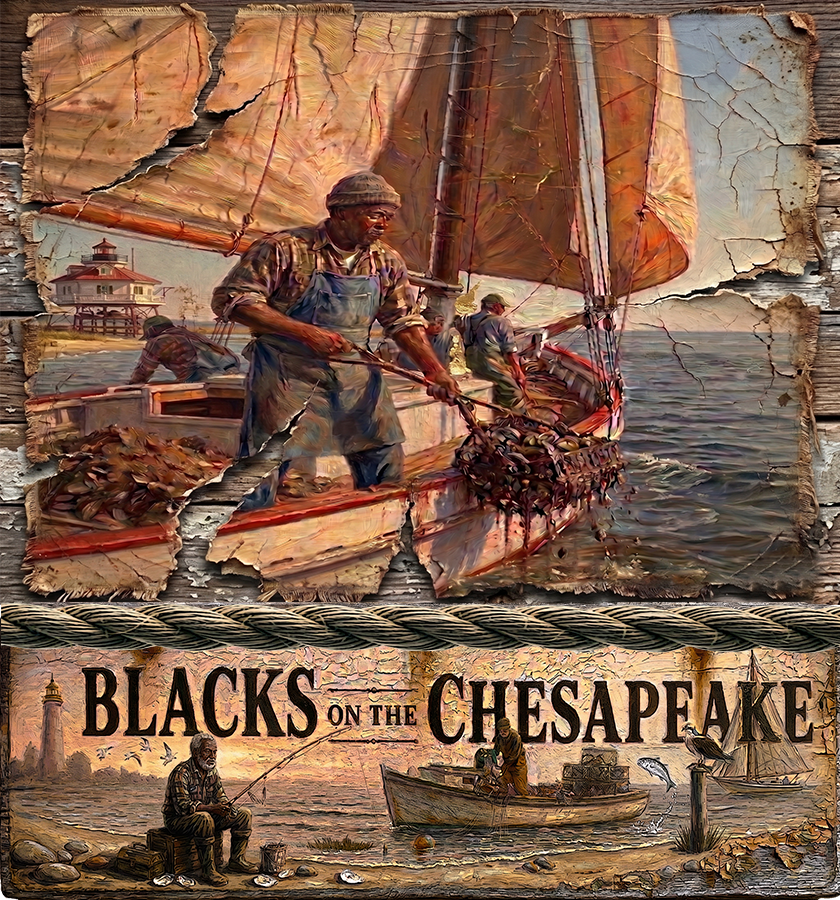 beds, tonged in the shallows, and labored through long seasons shaped by weather, markets, and the rhythms of the water. Their knowledge of currents, shoals, and harvest grounds was earned through experience and passed down through generations.