|
|
|
|
|
|

| By Website Administrator Wes Simpkins | |
| September 15, 2026 | |
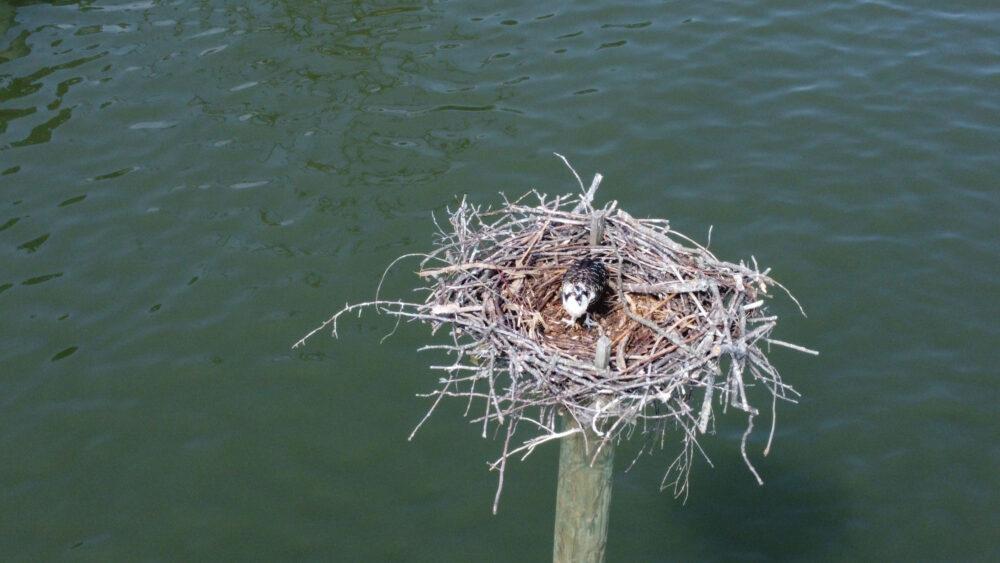
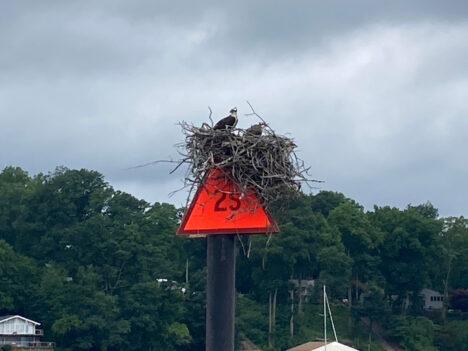
| https://www.eyeonannapolis.net/2026/09/severn-river-osprey-reproduction-plummets Osprey reproduction along the Severn River has failed for the second consecutive year, with a 2026 survey finding only three young birds apparently surviving to fledging age among 37 active breeding nests. Eco-Ed Endeavors documented 101 osprey nests during its annual survey, including 37 active breeding nests. Six nestlings were observed during the summer, but subsequent observations and a review of the data indicated that only three appeared to reach fledgling age. The results translate to a reproductive productivity rate of just 0.08 young per breeding nest, down from an already low rate of approximately 0.16 in 2025. Reproduction Falls Far Below Sustainable Level At that rate, the 37 active breeding pairs observed along the Severn River this year would have been expected to produce approximately 43 young. Instead, only three fledglings were inferred — about 7 percent of the number needed to maintain the current population. The findings mark the second consecutive year of extremely low reproductive productivity documented by The Osprey Project on the Severn River. Food Shortage Suspected in Chick Deaths Observations by students, staff and volunteers participating in The Osprey Project point to food availability as a potentially significant factor. Osprey chicks depend entirely on fish delivered to the nest by their parents. If adult birds cannot catch enough fish, the young may not receive enough food to survive. “We’re seeing a generation of chicks dying soon after hatching. We suspect starvation is a major factor. Mama and papa osprey just aren’t able to bring enough fish to the nest to keep their chicks alive,” said Thomas Guay, founder of Eco-Ed Endeavors. The group also observed breeding activity ending unusually early at some Severn River nests. By mid-July, most of the 37 nests that had been active earlier in the season had been abandoned. |
|
| Hyperlinks: | Article Link |